
Northern Tanzania
Wildlife, culture, and breathtaking landscapes the heart of Northern Tanzania.
Tanzania Destinations Highlights
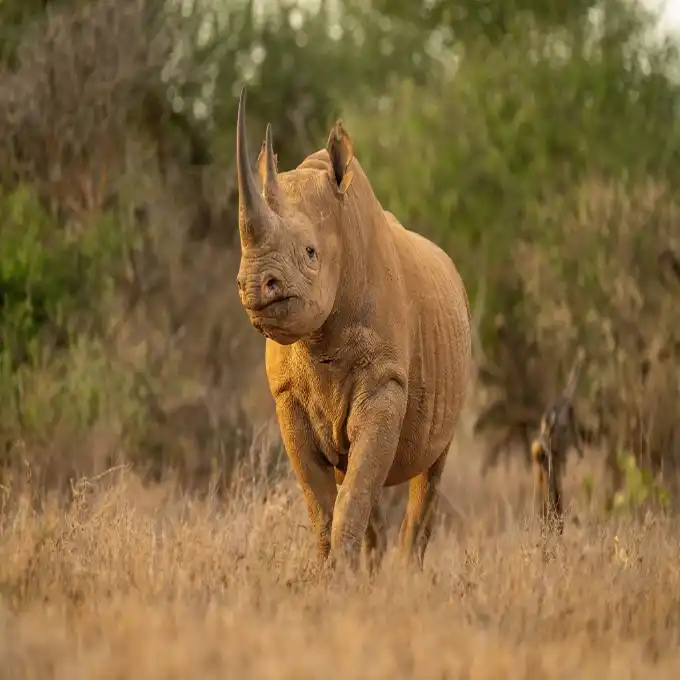
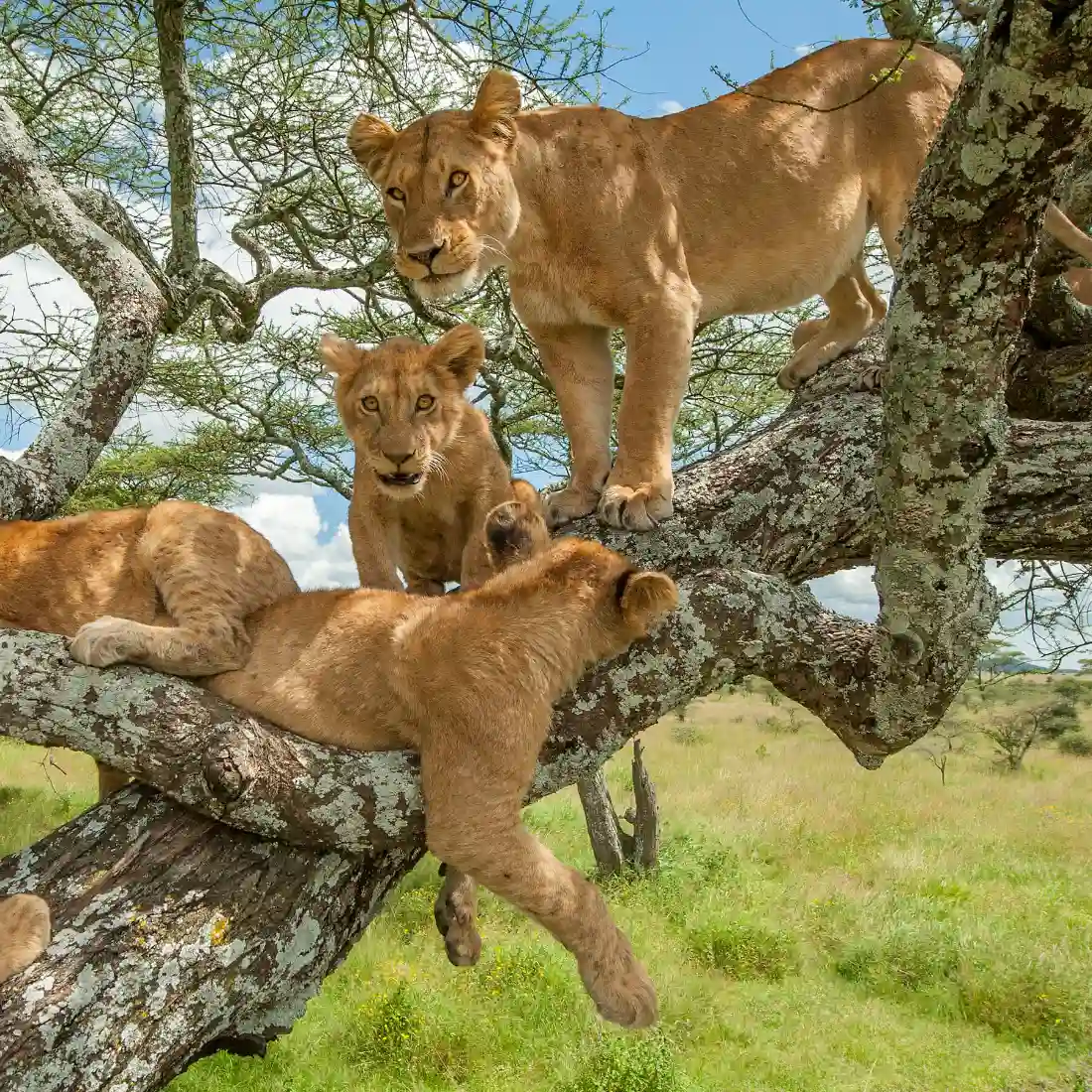
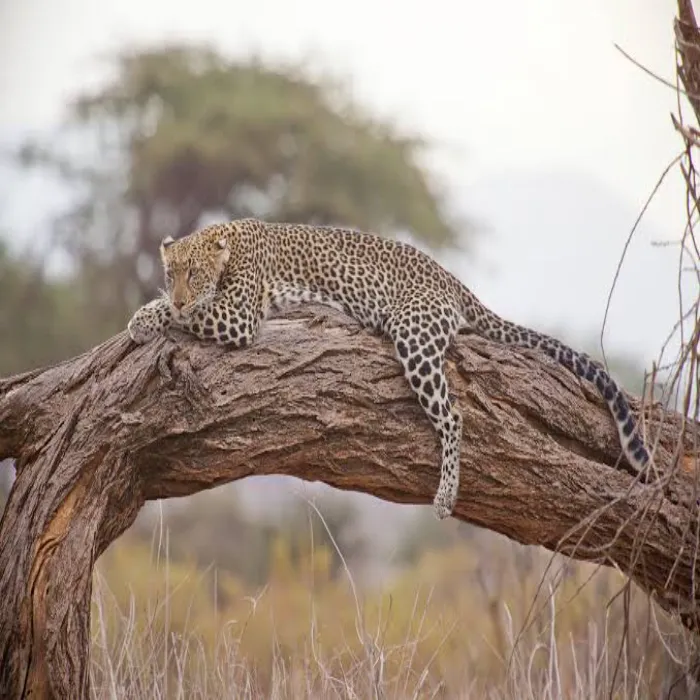
Northern Tanzania is home to Africa’s most iconic safari destinations Serengeti, Ngorongoro, Tarangire, Lake Manyara, Mkomazi National Park, and Mount Kilimanjaro. From wildebeest migrations and primate forests to tropical beaches, highlands, and snow‑capped mountains, Tanzania offers unmatched wildlife, culture, and adventure. With over 25% of the land protected for wildlife, it remains one of Africa’s top game‑viewing countries.




How to Access Tanzania’s Northern Safari Circuit
Tanzania’s Northern Circuit is the country’s most popular safari route, attracting travellers from around the world to its legendary parks and dramatic landscapes. The region includes Mount Kilimanjaro, Mkomazi National Park, Ngorongoro Conservation Area, Serengeti National Park, Tarangire National Park, Lake Manyara, Lake Eyasi, Lake Natron, Oldonyo Lengai, and Mount Hanang — each offering diverse wildlife, rich culture, and breathtaking scenery.
Main Gateways
- Arusha – Primary safari hub for the Northern Circuit
- Moshi – Ideal for Kilimanjaro climbers and safari travellers
- Kilimanjaro International Airport (JRO) – Main entry point, 46 km from Arusha
- Arusha Airport (ARK) – Domestic connections from Dar es Salaam, Zanzibar, Dodoma, Mwanza
- Other arrival options: Dar es Salaam (DAR), Zanzibar (ZNZ), Mwanza, Dodoma, connect to ARK or JRO
How to Explore the Northern Circuit
- By Road
- Comfortable 4×4 safari vehicles
- Departures from Arusha, Kilimanjaro Airport, and Dodoma
- Flexible access to all major parks
- By Air
- Scheduled and charter flights to key airstrips: Manyara, Seronera, Kogatende, Ndutu, and more
- Your safari guide meets you directly at the airstrip
The Northern Circuit offers year‑round wildlife viewing, rich cultural encounters, dramatic landscapes, and a wide range of accommodations — from budget lodges to luxury tented camps.
Best Time to Visit
Tanzania is an amazing year‑round safari destination every season offers something unique. Whether you visit during the dry months or the green, rainy season, you will always find active wildlife, breathtaking landscapes, and unforgettable safari experiences. Even during the rainy months, many travelers still enjoy excellent safaris. Wildlife remains active, birdlife is exceptional, and the scenery becomes lush and vibrant perfect for photographers and nature lovers.
Tanzania experiences two rainy periods each year:
- Long Rains: March to May
- Short Rains: November
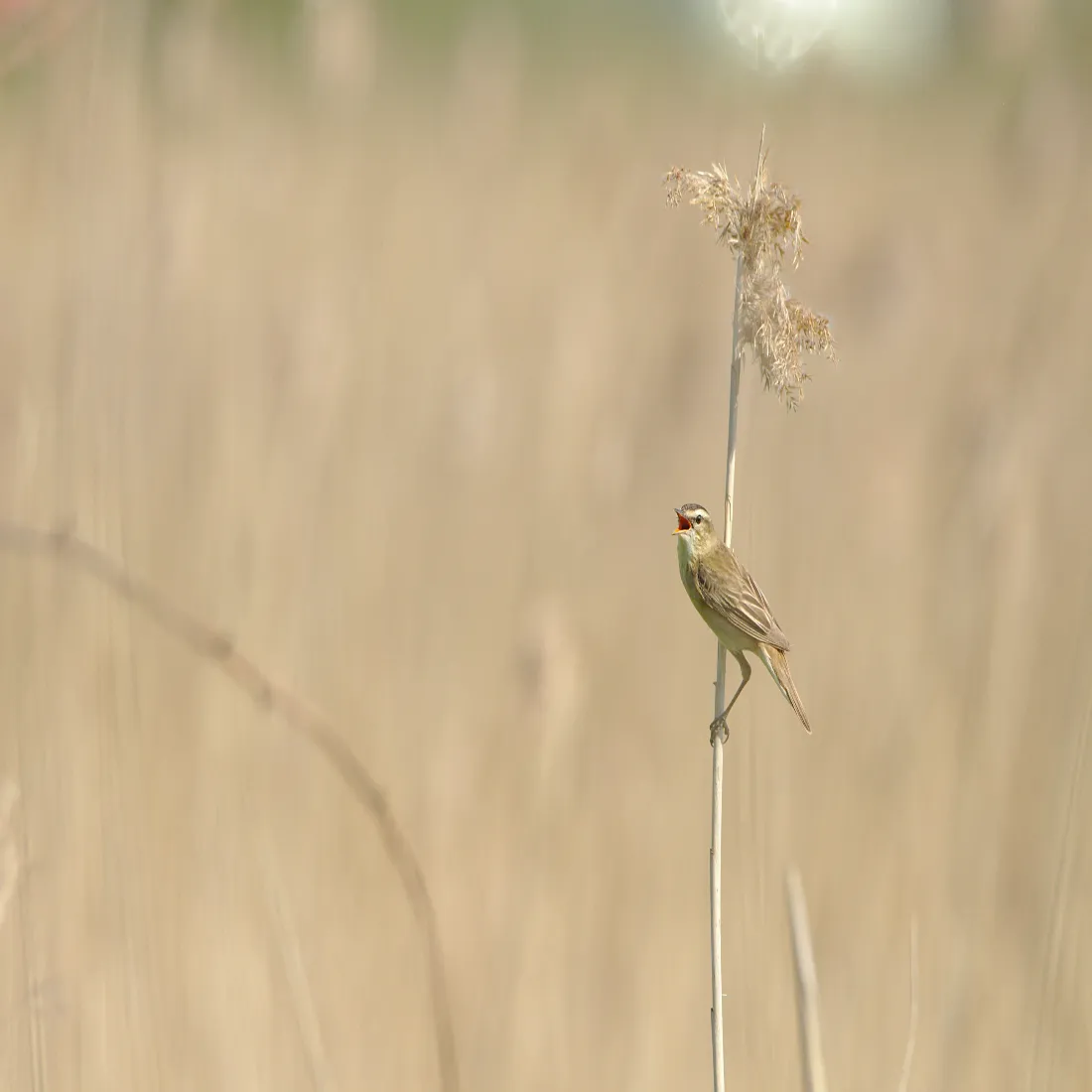
The short rains are especially rewarding for bird watchers, as many migratory species arrive. Rain showers are usually brief and followed by clear skies, making it a beautiful time for photography.
However, the dry season is widely considered the best time to visit Tanzania, especially for classic wildlife safaris. From June to October, you can expect excellent game viewing, easier wildlife spotting, and ideal conditions for witnessing the Great Migration in the Serengeti. The period from December to March is also fantastic, particularly for the calving season in the Southern Serengeti and Ngorongoro.
In summary, the best time depends on your interests:
 Dry season – best for wildlife viewing
Rainy season – best for birding, photography, and fewer crowds
Accommodations
A wide range of options is available inside the parks, along Park borders, and in nearby villages:
- Budget, semi‑luxury, and top‑luxury lodges & camps
- Diverse cuisine, including halal and vegetarian options
- High standards of service and guiding
- Unique activities and beautiful natural settings
- Excellent privacy for a memorable safari experience
Related Tour


Guest Reviews


